Vegetables Watercolor Clipart Guide
In the world of digital design, texture and authenticity often separate a forgettable graphic from one that captures attention. Watercolor clipart has surged in popularity because it bridges the gap between professional polish and organic warmth. Unlike flat vector icons or rigid stock photography, hand-painted elements carry the subtle imperfections of human artistry. When applied to everyday subjects like produce, these illustrations transform simple vegetables into sophisticated design assets. Whether you are designing a wedding invitation suite or a vibrant blog header, understanding how to leverage high-quality vegetables clipart can elevate your visual storytelling significantly.
The Appeal of Hand-Painted Digital Assets
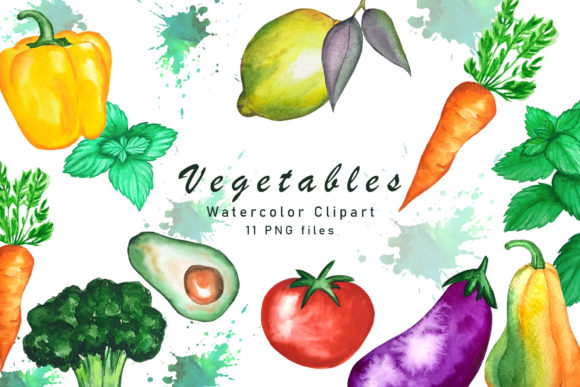
The charm of hand painted watercolor clipart lies in its versatility and emotional resonance. Watercolor as a medium is inherently soft, fluid, and inviting. It suggests freshness, health, and natural beauty—qualities that align perfectly with themes involving food, wellness, and organic living. When you integrate elements like a ripe tomato, a sliced avocado, or a zesty lemon into your projects, you are not just adding decoration; you are setting a tone.
High-resolution files, such as those offering 300 DPI at approximately 10x12 inches, ensure that this softness does not translate to pixelation. Instead, the brushstrokes remain crisp, allowing designers to scale images for large-format prints like posters or shrink them for delicate details on business cards without losing fidelity. This technical quality is crucial for professionals who need their work to look impeccable across various mediums, from digital screens to physical fabric prints.
Creative Applications for Designers and Entrepreneurs
For small business owners and freelancers, time is a precious resource. Creating custom illustrations from scratch is often prohibitively expensive and time-consuming. Utilizing a curated set of vegetables clipart allows creators to maintain a high standard of aesthetics while optimizing their workflow. Here is how different professionals can adapt these assets for specific goals:
- Wedding and Event Stationery: The trend of "farm-to-table" weddings has made botanical and produce imagery highly desirable. A watercolor avocado or a cluster of herbs can serve as a charming motif for menu cards, place settings, and save-the-dates. The organic feel complements rustic, bohemian, or garden-party themes effortlessly.
- Culinary Branding and Packaging: Restaurants, cafes, and food bloggers can use these elements to create cohesive brand identities. Imagine a logo for a juice bar featuring a vibrant lemon splash, or packaging for an organic grocery line adorned with hand-painted tomatoes. The artistic touch suggests quality and care, distinguishing the brand from competitors using generic clip art.
- Digital Content and Social Media: Bloggers and social media managers need fresh visuals daily. Watercolor elements can be layered over photos to create unique quote graphics, used as dividers in newsletter templates, or incorporated into Instagram story highlights. The transparent PNG format makes it easy to overlay these images on any background color or texture.
Maximizing Quality in Print and Digital Formats
To get the most out of your watercolor clipart, it is essential to understand the technical specifications. The difference between a amateurish result and a professional one often comes down to resolution and file format. A set providing RGB PNG files at 300 DPI is ideal for both screen and print. RGB ensures vibrant colors on digital platforms, while the 300 DPI resolution guarantees sharpness when printed.
When preparing files for print, such as greeting cards or fabric patterns, always check that your design software is set to the correct color profile if converting to CMYK, although starting with high-quality RGB sources gives you the best data to work with. The transparency of PNG files is another critical feature. It allows you to place a watercolor lemon slice directly over a textured paper background or a photograph without unsightly white boxes around the edges. This seamless integration is what makes digital clipart appear as if it were painted directly onto your final project.
Design Strategies for Cohesive Visuals
Using individual elements effectively requires a keen eye for composition. When working with a pack that includes diverse items like plants, splashes, and specific vegetables, consistency is key. Since all elements in a high-quality set are created by the same artist using the same techniques, they naturally share a stylistic harmony. However, how you arrange them determines the final impact.
Layering is a powerful technique. Combine a solid vegetable illustration with a watercolor splash behind it to add depth and movement. This approach works particularly well for headers or focal points in a design. For more subtle applications, such as background patterns for scrapbooking or web design, reduce the opacity of the elements or arrange them in a repeating grid. This creates a textured backdrop that enhances readability without overwhelming the main content.
Color coordination is also vital. Watercolor palettes are often muted or earthy, but they can be vibrant. If your project involves a specific brand color, look for elements in the clipart set that complement rather than clash. For instance, the green of an avocado pairs beautifully with soft creams, warm browns, and blush pinks, making it suitable for a wide range of aesthetic preferences.
Practical Tips for Educators and Hobbyists
Beyond commercial use, vegetables clipart offers immense value for educators and hobbyists. Teachers can use these engaging visuals to create interactive learning materials, such as flashcards for nutrition lessons, decorative borders for classroom newsletters, or illustrations for science projects about plant life cycles. The friendly, approachable style of watercolor makes educational content feel less intimidating and more inviting to students.
For hobbyists involved in digital scrapbooking or journaling, these elements provide endless creative possibilities. You can digitally arrange a weekly meal planner with illustrated ingredients, or create personalized gift tags for homemade jams and pickles. The instant download nature of these digital products means you can start creating immediately, without waiting for shipping or dealing with physical inventory. This immediacy supports spontaneous creativity and allows for rapid iteration of ideas.
Ensuring Originality and Professionalism
While clipart provides a foundation, adding your own touch ensures your work remains original. Avoid using the elements in isolation if possible. Instead, combine them with typography, geometric shapes, or photographic elements. Experiment with blending modes in your design software to change how the watercolor interacts with underlying layers. For example, using a "multiply" blend mode can make the watercolor look like it is stained into the paper texture beneath it, enhancing the realistic effect.
Always respect licensing terms. Most commercial clipart sets allow for use in both personal and commercial projects, but it is important to verify whether you can resell the clipart itself (usually prohibited) versus selling designs that incorporate the clipart (usually allowed). Understanding these boundaries protects your business and respects the artist’s intellectual property.
In conclusion, integrating hand painted watercolor clipart into your design toolkit is a strategic move for anyone looking to add warmth, authenticity, and professional flair to their projects. From the subtle elegance of wedding invitations to the vibrant energy of food branding, these versatile elements offer a practical solution for high-quality visual communication. By focusing on resolution, composition, and creative adaptation, you can transform simple digital files into standout designs that resonate with your audience.